How to Identify Amaranthaceae
Amaranthaceae is a plant family in the Plantae kingdom, order Caryophyllales, class Magnoliopsida. The family contains 329 accepted species worldwide. Some species in this family are toxic — exercise caution when handling unknown specimens.
Representative Amaranthaceae Species
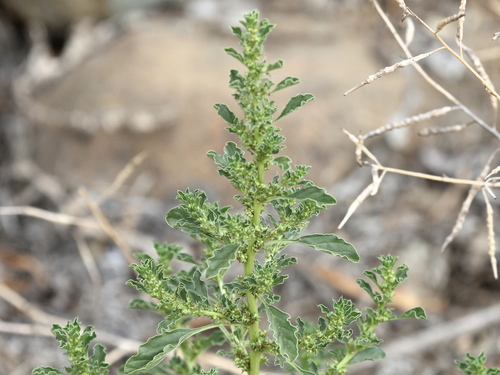
Amaranthus albus L.
Amaranthus albus L.
Amaranthus albus is an annual herb native to tropical Americas, used for pig fee…
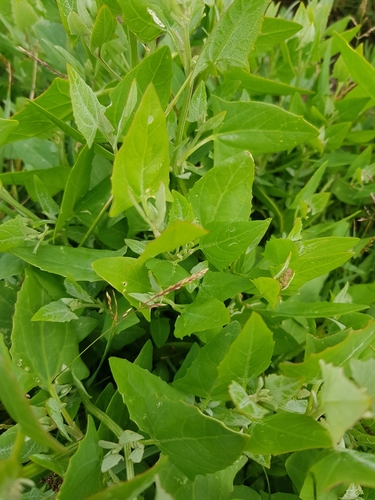
Atriplex prostrata DC.
Atriplex prostrata DC.
Atriplex prostrata DC. is a widespread facultative halophytic flowering saltbush…
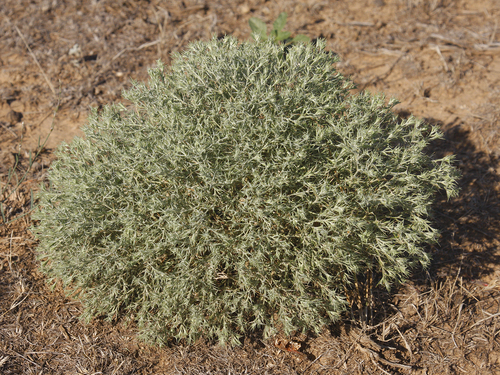
Ceratocarpus arenarius L.
Ceratocarpus arenarius L.
Ceratocarpus arenarius is the only accepted species in the Ceratocarpus genus, a…
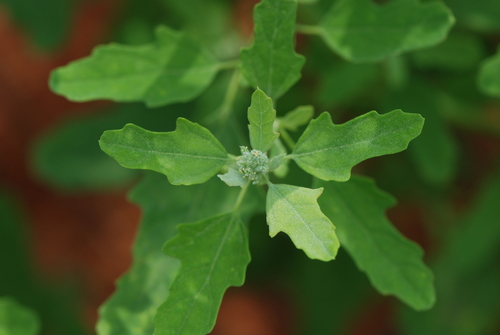
Chenopodium ficifolium Sm.
Chenopodium ficifolium Sm.
Chenopodium ficifolium is an Amaranthaceae species, originally native to the Ira…
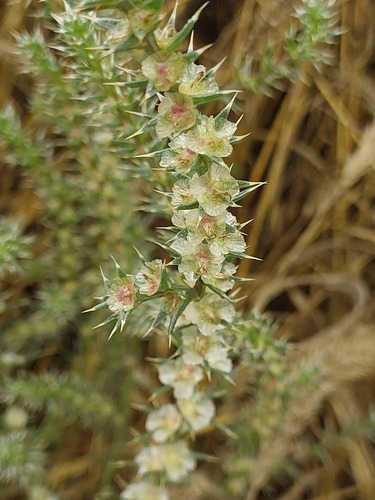
Salsola tragus L.
Salsola tragus L.
Salsola tragus (tumbleweed) is an invasive ruderal annual forb that also serves …
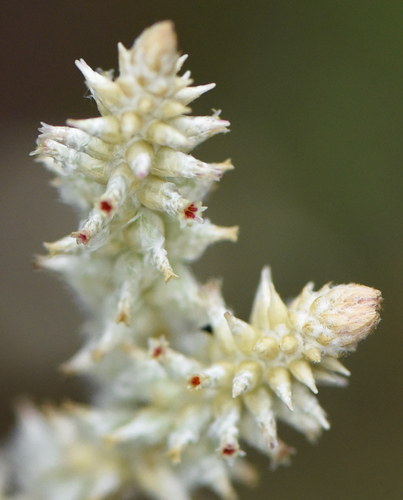
Froelichia floridana (Nutt.) Moq.
Froelichia floridana (Nutt.) Moq.
Froelichia floridana is an annual amaranth flowering plant considered a weedy in…
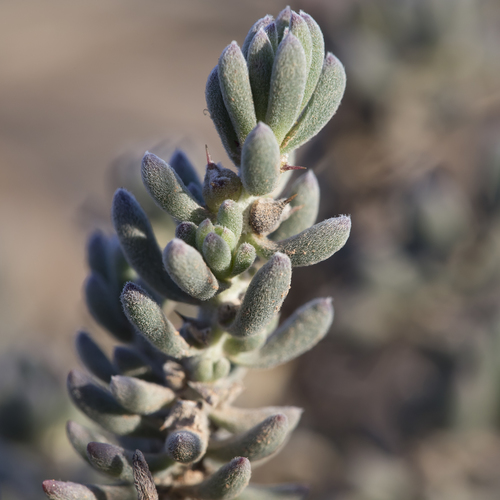
Sclerolaena diacantha (Nees) Benth.
Sclerolaena diacantha (Nees) Benth.
Sclerolaena diacantha (grey copperburr) is an Australian amaranth, a widespread …
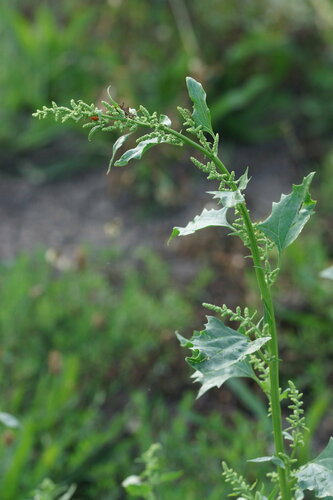
Oxybasis urbica (L.) S.Fuentes, Uotila & Borsch
Oxybasis urbica (L.) S.Fuentes, Uotila & Borsch
Oxybasis urbica is a flowering plant in the Amaranthaceae family, native from Eu…
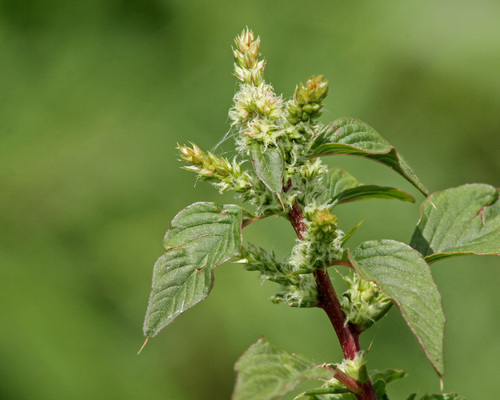
Amaranthus spinosus L.
Amaranthus spinosus L.
Amaranthus spinosus L. is a spiny amaranth used globally for food, dye, and trad…
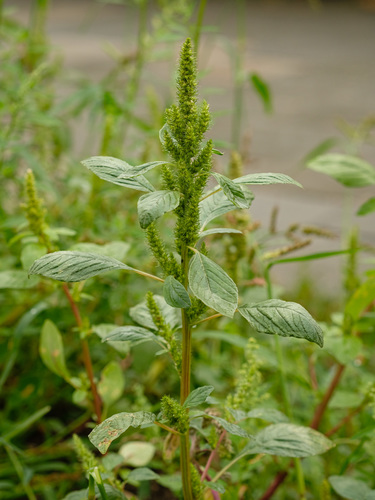
Amaranthus retroflexus L.
Amaranthus retroflexus L.
Amaranthus retroflexus L. is an annual herb that is widespread globally, with po…
⚠️ Poisonous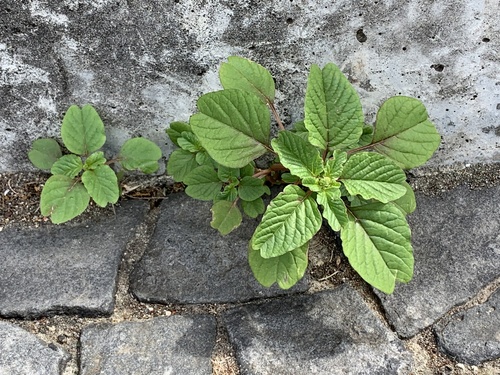
Amaranthus blitum L.
Amaranthus blitum L.
Amaranthus blitum is an edible wild annual native to the Mediterranean, naturali…
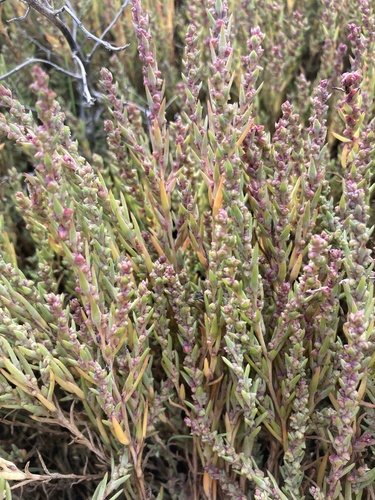
Suaeda calceoliformis (Hook.) Moq.
Suaeda calceoliformis (Hook.) Moq.
Suaeda calceoliformis is a North American annual halophytic herb that grows in h…
Frequently Asked Questions
How do you identify Amaranthaceae?
Amaranthaceae plants belong to the Caryophyllales order in the Plantae kingdom. Browse the 329 species gallery above for visual identification references. For instant identification, use the iNature app — AI-powered and works offline.
What are the key characteristics of Amaranthaceae?
Amaranthaceae is classified in the order Caryophyllales, class Magnoliopsida, phylum Tracheophyta. The family contains 329 accepted species worldwide.
⚠️ Are any Amaranthaceae species poisonous?
Yes, some Amaranthaceae species are toxic or poisonous. Always exercise caution with unknown specimens. View poisonous Amaranthaceae species or browse the full poisonous species guide.
Sources: GBIF, iNaturalist, Wikipedia · Disclaimer
Start Exploring Nature Today
Download iNature for free. 10 identifications on us. No account needed. No credit card required.
Download Free on App Store
