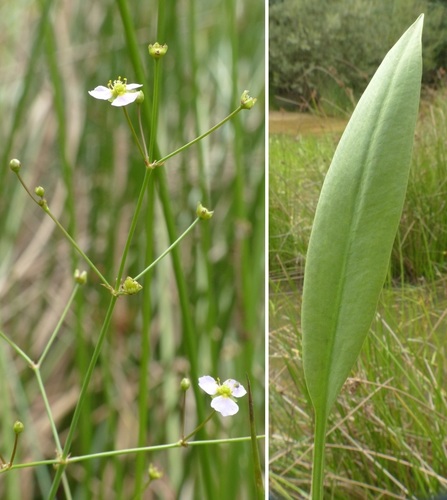
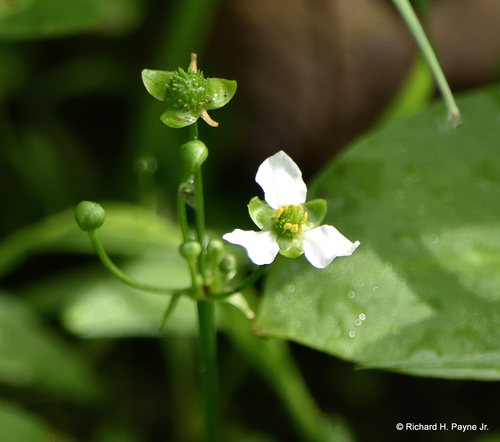
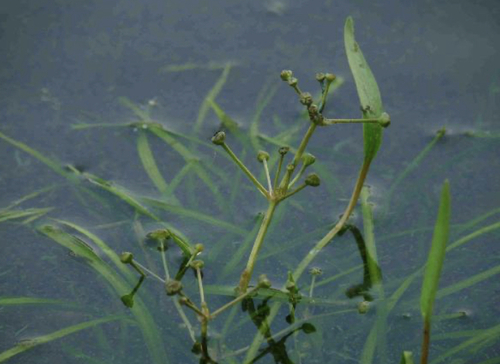
How to Identify Alismataceae

Alismataceae is a plant family in the Plantae kingdom, order Alismatales, class Liliopsida. The family contains 35 accepted species worldwide. Some species in this family are toxic — exercise caution when handling unknown specimens.

Key Identification Features

For instant identification in the field, use the iNature app — AI-powered, works offline.
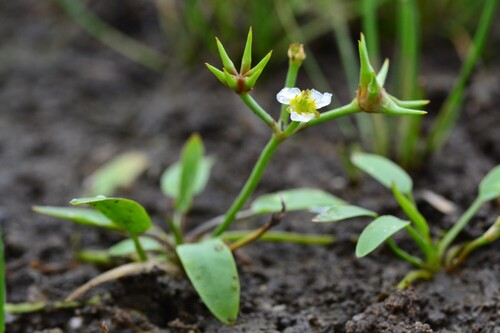
Representative Alismataceae Species

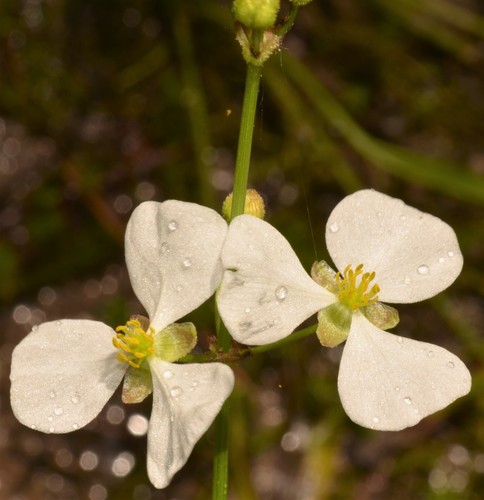
How to identify Damasonium alisma Mill.

Damasonium alisma Mill.

Damasonium alisma Mill.

Damasonium alisma is an endangered UK marsh starfruit recovering through active …

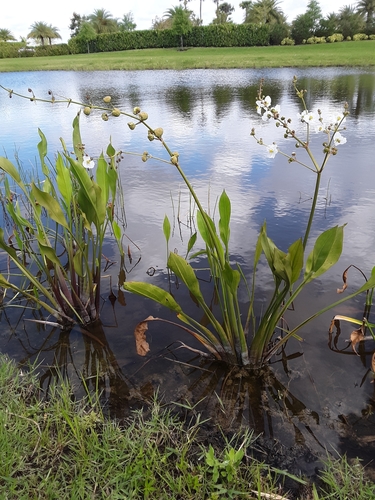
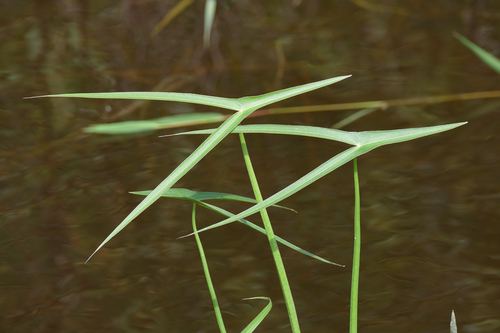
How to identify Sagittaria lancifolia L.

Sagittaria lancifolia L.

Sagittaria lancifolia L.

Sagittaria lancifolia L. is an aquatic flowering plant native to the Americas, n…

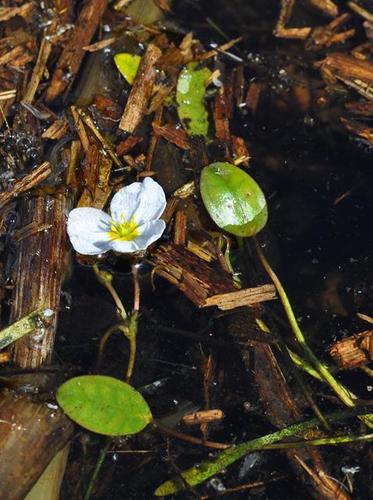
How to identify Luronium natans (L.) Raf.

Luronium natans (L.) Raf.

Luronium natans (L.) Raf.

Luronium natans, or floating water-plantain, is a variable aquatic plant widely …

How to identify Sagittaria cuneata E.Sheld.

Sagittaria cuneata E.Sheld.

Sagittaria cuneata E.Sheld.

Sagittaria cuneata is a variable North American aquatic perennial herb with trad…

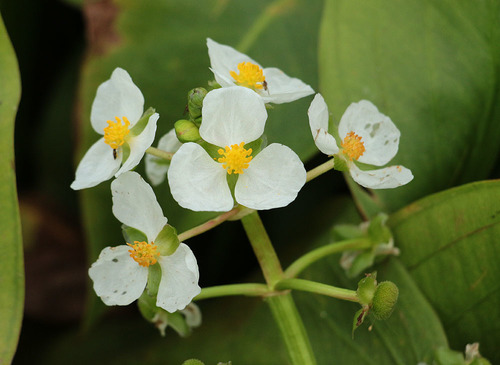
How to identify Aquarius cordifolius (L.) Christenh. & Byng

Aquarius cordifolius (L.) Christenh. & Byng

Aquarius cordifolius (L.) Christenh. & Byng

Aquarius cordifolius is a stout perennial aquatic herb commonly cultivated for l…

How to identify Sagittaria longiloba Engelm. ex J.G.Sm.

Sagittaria longiloba Engelm. ex J.G.Sm.

Sagittaria longiloba Engelm. ex J.G.Sm.

Sagittaria longiloba is a monoecious perennial aquatic plant native to the Ameri…

How to identify Sagittaria papillosa Buchenau

Sagittaria papillosa Buchenau

Sagittaria papillosa Buchenau

Sagittaria papillosa (nipplebract arrowhead) is a perennial aquatic native of th…

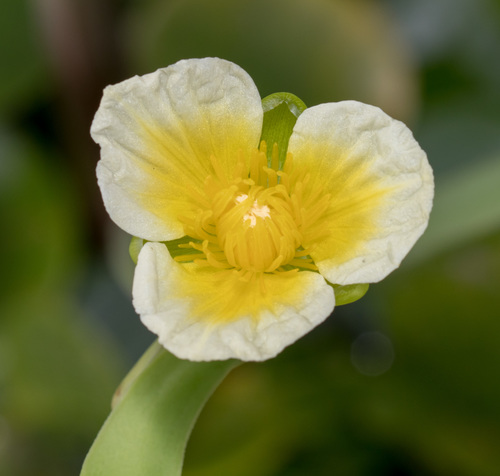
How to identify Limnocharis flava (L.) Buchenau

Limnocharis flava (L.) Buchenau

Limnocharis flava (L.) Buchenau

Limnocharis flava is an aquatic invasive plant that is also eaten as a tradition…

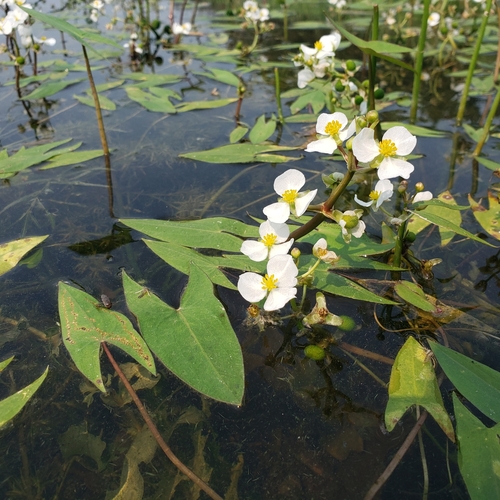
How to identify Sagittaria platyphylla (Engelm.) J.G.Sm.

Sagittaria platyphylla (Engelm.) J.G.Sm.

Sagittaria platyphylla (Engelm.) J.G.Sm.

Sagittaria platyphylla is an aquatic perennial herb that has become an invasive …

How to identify Alisma lanceolatum With.

Alisma lanceolatum With.

Alisma lanceolatum With.

Alisma lanceolatum With. is a perennial aquatic herb with pinkish-purple flowers…

How to identify Echinodorus berteroi (Spreng.) Fassett

Echinodorus berteroi (Spreng.) Fassett

Echinodorus berteroi (Spreng.) Fassett

Echinodorus berteroi is an aquatic plant with varied leaf forms, popular but fas…

How to identify Alisma gramineum Lej.

Alisma gramineum Lej.

Alisma gramineum Lej.

Alisma gramineum Lej. is an aquatic flowering plant that grows across Eurasia, N…

Browse all 35 Alismataceae species →

Frequently Asked Questions

How do you identify Alismataceae?

Alismataceae plants belong to the Alismatales order in the Plantae kingdom. is a water plant that is easily recognized by its large, lance-shaped leaves that grow upward from underground rhizomes. For instant identification, use the iNature app — AI-powered and works offline.

What are the key characteristics of Alismataceae?

Alismataceae is classified in the order Alismatales, class Liliopsida, phylum Tracheophyta. Leaf blades have distinct lines of translucent markings, are shaped ovate to elliptic, 6.

⚠️ Are any Alismataceae species poisonous?

Yes, some Alismataceae species are toxic or poisonous. Always exercise caution with unknown specimens. View poisonous Alismataceae species or browse the full poisonous species guide.

Sources: GBIF, iNaturalist, Wikipedia · Disclaimer

Start Exploring Nature Today

Download iNature for free. 10 identifications on us. No account needed. No credit card required.

Download Free on App Store