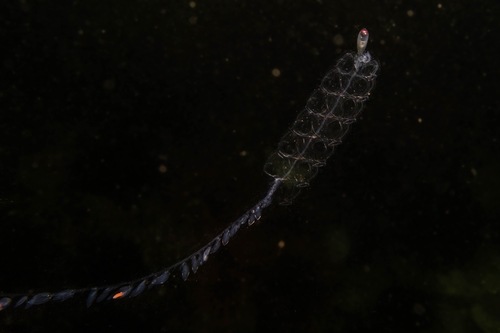
Key Identification Features
- Each zooid carries out a distinct function: prey capture, propulsion, or reproduction, all within a translucent or transparent body that helps the colony camouflage in its oceanic habitat.
- Tentilla contain nematocysts (stinging cells that inject toxin into prey), and four distinct types of nematocysts are found in these structures.
- Haplonemes, the most abundant type, are smaller than heteronemes and share a similar structure with open stinging tips, but lack a distinct spiny shaft.
- bijuga pneumatophore contains five distinct tissues: two layers of ectoderm, two layers of endoderm, and a layer of ectodermal cells that are not connected to any basement membrane.
For instant identification in the field, use the iNature app — AI-powered, works offline.